Health and Safety Policy — Commercial Waste Westminster Services
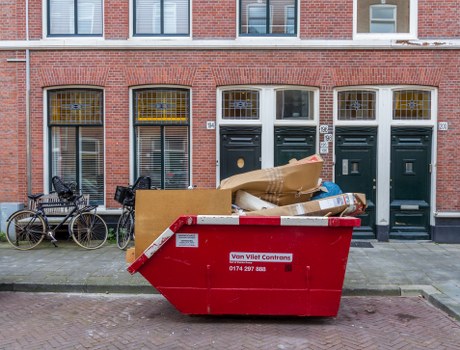 Policy Statement: This Health and Safety policy sets out the commitment of our commercial waste operations to protect employees, contractors, customers and the public while providing professional commercial waste services and rubbish collection solutions. The aim is to minimise risk, prevent injury and ill health, and maintain safe, consistent standards across all business waste removal and commercial rubbish removal activities. This document applies to all workplaces, vehicles and sites where we operate, and it complements statutory obligations without reproducing legal texts.
Scope and Objectives
Our commercial rubbish collection teams deliver scheduled and ad-hoc rubbish services in town and city service areas. The core objectives are to implement proportionate risk control measures, ensure safe handling and transport of waste, and promote a safety-first culture through training, supervision and continuous improvement. We set measurable targets for accident reduction, near-miss reporting and compliance with safe systems of work.
Responsibilities
All staff and contractors have a duty to work safely and report hazards. Managers are responsible for risk assessments, resource allocation and ensuring that safe operating procedures are followed during waste collection, loading, transfer and disposal activities. Employees must use provided personal protective equipment (PPE), attend required training and report any incidents promptly. Supervisors will monitor performance and undertake regular site inspections to assess effectiveness of controls.Risk assessment is central to our approach. Each work activity—from commercial bin emptying to bulky waste removal and vehicle loading—will be assessed to identify hazards such as manual handling, slips, trips, vehicle movements, sharps and hazardous substances. Controls follow the hierarchy of risk reduction: elimination, substitution, engineering controls, administrative controls and PPE. Assessments are recorded, reviewed periodically and updated when conditions or procedures change.
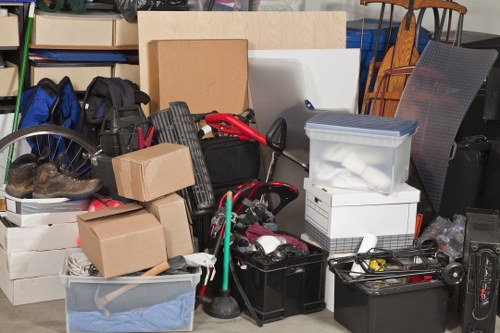 Training and Competence: We ensure that all operatives receive appropriate induction training, role-specific instruction and refresher courses. Training covers safe lifting techniques, confined space awareness when relevant, correct use of mechanical aids, safeguarding during late-night collections, and procedures for handling contaminated or hazardous waste. Records of training and assessments of competence are maintained for audit and operational planning.
To support safe operational practice we outline specific measures including:
- PPE Requirements: high-visibility clothing, gloves, steel-toe footwear and eye protection where applicable;
- Vehicle Safety: daily walk-round checks, secure load practices, reversing alarms and safe route planning to reduce exposure to traffic risks;
- Manual Handling: use of trolleys, hoists, team lifts and mechanical aids to minimise strain injuries;
- Waste Segregation: clear separation of recyclables, general commercial waste, and identified hazardous materials to reduce contamination and exposure.
Operational controls also cover incident and emergency response. Clear procedures are in place for dealing with spills, sharps, chemical splashes and fire risks at collection sites and on vehicles. Staff are trained in basic first aid and emergency communication protocols. Where specialist intervention is required—such as hazardous waste incidents—authorised contractors and emergency services are engaged according to established escalation procedures.
 Monitoring, Reporting and Investigation: All accidents, near-misses and dangerous occurrences must be reported immediately and recorded. Investigations are undertaken to identify root causes and corrective actions, and findings are shared with staff to prevent recurrence. Performance is monitored through regular audits, spot checks and management reviews to ensure that commercial waste collection and removal activities meet policy standards.
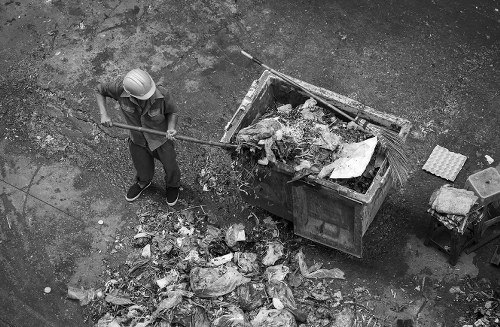 Continuous Improvement: We commit to reviewing this Health and Safety policy at defined intervals and after significant incidents or operational changes. Lessons learned, changes in industry best practice and feedback from risk assessments inform updates. Procurement, vehicle selection and waste handling equipment are specified with safety and ergonomics in mind to reduce long-term health risks for operatives engaged in business waste removal.
Communication and consultation are essential. Employees are encouraged to participate in safety meetings, toolbox talks and to raise concerns without fear of reprisal. Safety notices and procedure updates are communicated through written briefings and supervisor-led sessions. The organisation will also liaise with relevant site operators and client representatives to ensure site-specific hazards are identified and managed before work begins.
Contract management requires that subcontractors and temporary staff adhere to the same standards. Pre-engagement checks confirm competence and that insurance and safety documentation are in place. Where agency or third-party crews are used for rubbish collection in service areas, supervisors will confirm that task-specific inductions and risk briefings have been completed.
In summary, this policy provides a framework to protect people, maintain safe operations and deliver reliable commercial rubbish services. It establishes clear responsibilities, requires documented risk assessments, mandates appropriate training and PPE, and commits to monitoring and continual improvement. By embedding safety into every aspect of commercial waste operations, we minimise harm and support efficient, sustainable service delivery.
