Commercial waste in Westminster for organised business collections and clear disposal routes
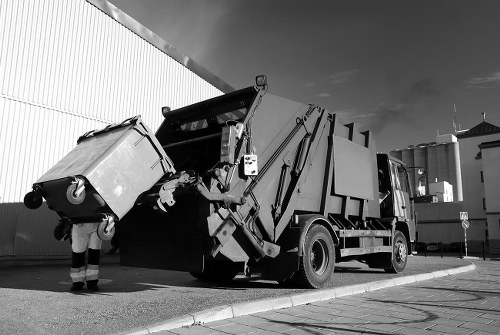
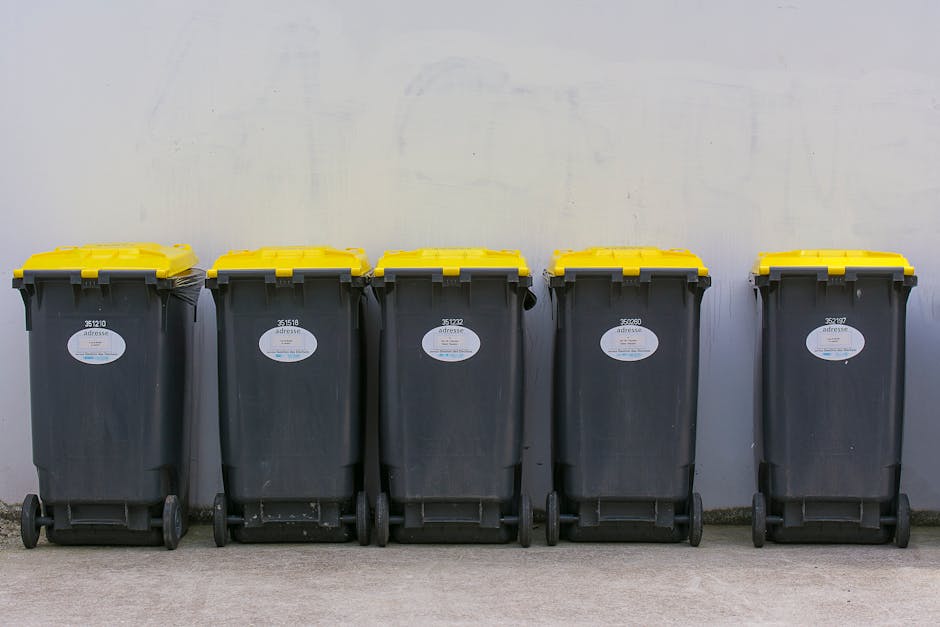
Commercial waste in Westminster needs a service that handles everyday office rubbish, mixed business refuse and specialist recyclable streams with care. Our work covers regular commercial waste removal, one-off clearances and planned disposal for premises that want an orderly, dependable route for unwanted materials. The aim is straightforward: keep business space usable, separate recyclable items where practical, and help you manage waste without unnecessary disruption to trading.
We deal with a wide range of business premises, from offices and retail units to hospitality settings and managed buildings, using a practical approach that suits the volume and type of material involved. Where different waste streams are present, we can organise the collection so the right items are processed in the right way. If you are reviewing your current arrangements, this is a sensible place to request a quotation and compare the service against your needs.
For many customers, the most useful starting point is to identify which materials are produced most often and which items need separate handling. Cardboard, packaging, broken office furniture, archived paperwork, display materials and general mixed rubbish all require slightly different decisions. A clear plan helps avoid overfilling storage rooms, blocking access routes or keeping items on site for longer than needed. Simple, tidy removal routines can make a noticeable difference to day-to-day operations.
Business waste collections arranged around your premises
Commercial collections are most effective when they match the way a premises actually works. Some businesses need regular clearances to keep bins and internal storage areas under control, while others prefer occasional visits when they are updating stock, moving equipment or clearing accumulated waste. We provide commercial waste removal with a focus on keeping collections practical, predictable and suitable for the amount of material you need to move.
Service planning usually begins with a simple description of the waste types and the access available. That may include lift access, shared entrances, loading points or restricted hours, all of which can affect how the work is organised. Useful details about the items and how they are stored help shape the collection method. If you are deciding between a regular arrangement and a one-off clearance, it is worth looking at the likely volume, the mix of materials and how often waste builds up.
What commercial waste can include
Business waste is rarely one single category. It may include routine office rubbish, packaging, soft furnishings, broken fixtures, filing materials, unwanted stock or items left behind after a refit. Some of these can be sorted for recycling, while others need disposal as mixed waste. Where appropriate, we can direct you towards the right solution through business waste removal or a broader collection arrangement that matches the premises.
Office waste and workspace clearances

Office environments often produce waste that is both repetitive and varied. Paper waste, office chairs, desks, shelving, packaging from deliveries and redundant equipment all need a sensible route out of the building. Our office waste service is designed for workplaces that want a tidy disposal plan without unnecessary fuss, whether the job is a single room, a shared floor or a larger workplace project.
Where items are suitable for reuse or recycling, they can be separated from the general load. That is especially useful in workplaces that are replacing furniture or clearing out storage areas after a change in layout. For some customers, a straightforward office clearance is the best fit because it combines several types of waste into one organised removal. For others, a more focused collection is preferable when the waste stream is narrower.
Office jobs often run more smoothly when paperwork, IT items and furniture are grouped in advance. You do not need to overprepare, but a brief inventory of the main items helps avoid delays and makes it easier to judge the scale of the task. Keep sensitive documents separate from general rubbish so that they can be handled through the appropriate route, such as confidential shredding where that is needed.
Furniture disposal and bulky commercial items
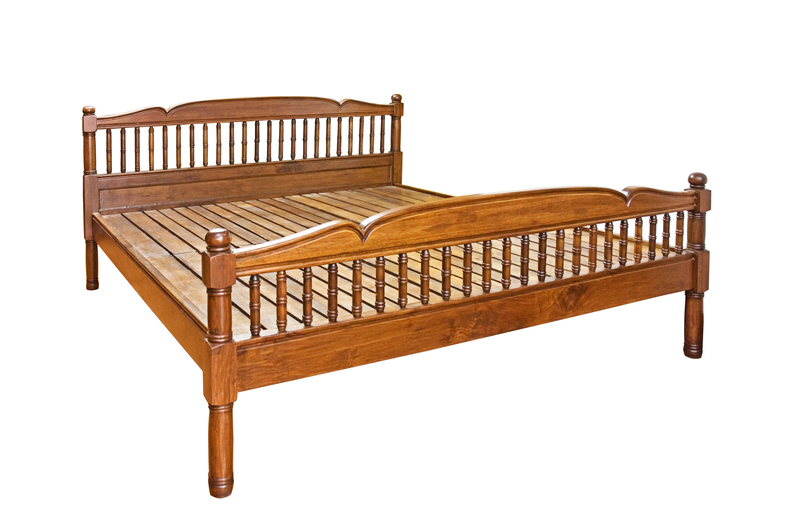
Business premises regularly replace furniture long before the rest of the space changes. Desks, cupboards, reception seating, meeting tables, shelving and storage units can become surplus after refurbishment, reorganisation or tenant changeover. Our furniture disposal work focuses on removing those bulky items efficiently and directing them to the most suitable disposal route available from the materials involved.
Bulky items are easiest to manage when they are described clearly before collection. Wood, metal, mixed materials and upholstered furniture may not all follow the same path, and some items can also be associated with specialist disposal requirements. If your premises need a broader option, a related furniture clearance service can help with grouped items from more than one room or area. For specific household-style pieces used in commercial settings, mattress and sofa disposal may be relevant.
When arranging bulky removal, it is sensible to think about access, size and any dismantling that might be needed. Narrow corridors, internal stairs and limited parking can influence the order in which items are moved. A clear description of the largest pieces, plus whether they can be taken apart in advance, helps the work proceed safely and with fewer interruptions to the rest of the premises.
Recycling, segregation and responsible disposal choices

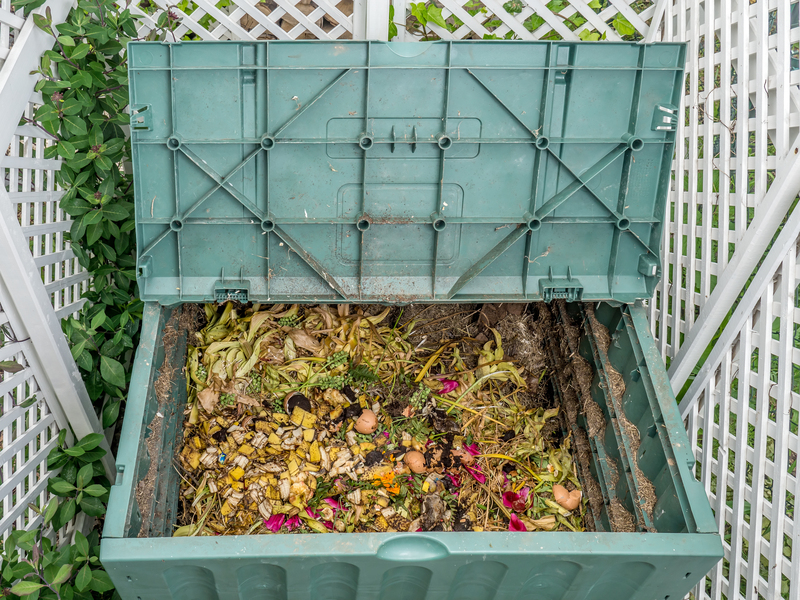
Good commercial waste management is not only about taking items away; it is also about separating materials where that is reasonably possible. Cardboard, metal, office paper, certain plastics and reusable equipment may each have different handling needs. Our approach supports practical sorting so that recyclable items do not end up mixed unnecessarily with general waste, and so that disposal decisions remain clear for the customer.
This part of the service is often useful to businesses that are clearing storage areas, replacing stock or updating equipment in stages. A planned clearance can reduce the amount of mixed waste produced and make it easier to identify what can be sent for recycling, what must be treated as general rubbish and what requires a more specific route. You can also review the broader recycling and sustainability information if you want to understand how different materials are approached.
Not every item is suitable for the same process, so the most sensible choice depends on the actual contents of the load. Broken appliances, upholstered furniture, paper archives and mixed fit-out waste may each need distinct treatment. Where specialist items are involved, the decision should be based on the material itself rather than on a broad assumption that everything can be grouped together. That keeps the service practical and helps maintain a tidy final result.
Specialist waste streams for business premises
Some commercial sites produce waste that needs more than standard mixed removal. Broken refrigeration units, appliances, or items with potentially hazardous components can call for a more careful approach. We can help with specialist waste streams where they are relevant to the premises, using the service type that fits the material rather than forcing it into a general collection.
For example, broken fridges and similar appliances are handled differently from office furniture or cardboard, and certain materials may require separation because of their components. If your site produces equipment that needs a distinct route, fridge and appliance removal is a more suitable page to consider. Where the load is more complex and includes items that must be treated with extra care, hazardous waste disposal is the relevant service category.
Not every business needs specialist disposal, but it is useful to know that it can be organised alongside a broader clearance when necessary. Keeping these items apart from routine waste helps reduce confusion at the point of collection and avoids mixing materials that should not travel together. If you are unsure whether an item needs a specialist route, the safest approach is to describe it clearly and ask for the most appropriate option.
Clearance work for changing, moving or reducing stock
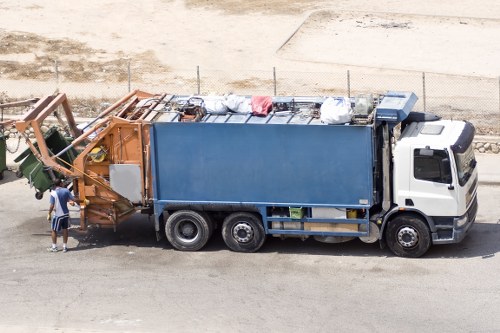
Commercial waste often rises during periods of change. A workplace move, shop refit, stock reduction or office reconfiguration can create a mixture of loose items, packaging, redundant fixtures and general rubbish that needs to be removed quickly and in an orderly way. Clearance work is useful when a space must be handed back, reopened or simply made workable again after a period of disruption.
Where the job involves several types of items, a general waste removal service can sit alongside more specific clearances. That allows bulky, mixed and recyclable materials to be handled in a planned way rather than being treated as one indistinct load. If the work is happening across an entire premises rather than a single room, the more comprehensive home clearance and house clearance pages are not usually the right commercial fit, but the same principle of organised sorting still applies when business sites are being emptied.
For customers, the most useful preparation is to identify which areas are being cleared and whether any items must remain in place. That helps avoid taking away equipment that is still in use and keeps the job focused on the correct materials. It also makes it easier to judge whether a staged removal or a single visit is more practical for the site and the schedule.
How to plan a commercial waste quote
A quotation for commercial waste is usually shaped by the quantity of material, the kinds of items involved, how accessible they are and whether specialist handling is required. These factors matter because a load of light packaging is very different from a clearance full of furniture, appliances or mixed office contents. If your business is reviewing costs, the most helpful starting point is a straightforward description of what needs removing and where it is stored.
You can make the process easier by noting the basic access details, the likely timing and any restrictions that affect movement through the building. A short list of items, or even a rough breakdown by room or area, is often enough to give a useful indication. If you are ready to proceed, use the quotation route in a way that suits you and ask for a written estimate once the scope is clear. For some customers, the dedicated pricing and quotes page is the most relevant next step.
What to include when describing the job
- The main waste types, such as office rubbish, furniture, packaging or appliances.
- How much is being removed and whether it is spread across more than one area.
- Any access limits, loading restrictions or building rules that affect collection.
- Whether the waste includes items that need a separate route or careful handling.
About Westminster
Westminster is one of central London’s most recognisable districts, shaped by a dense mix of government, ceremonial, residential and commercial places. It sits on the north bank of the River Thames and is closely associated with the Palace of Westminster, where the Houses of Parliament stand beside the river at the historic heart of national politics. The area also contains Westminster Abbey, a Gothic church with deep royal and political associations, and the Abbey quarter around it has long been tied to state occasions, coronations and public ceremony. Streets in the district combine older London fabric with later office development, and the contrast between formal institutions and everyday urban life is one of Westminster’s defining characteristics.
Flexible support for different business settings
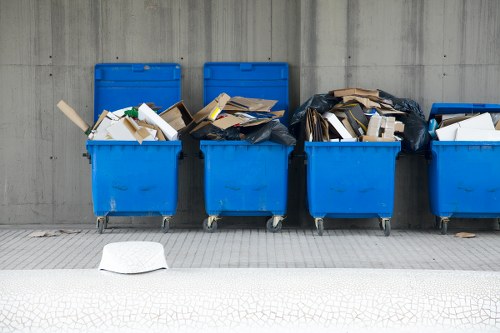
Commercial waste requirements vary widely from one property to another. A small office may only need occasional removal of packaging and broken furniture, while a larger premises might generate recurring mixed waste, fit-out debris and specialist items. We adapt the service to the setting by focusing on the actual waste stream, the access conditions and the practical outcome the customer needs. That keeps the work grounded in the real job rather than a generic one-size-fits-all pattern.
Many customers benefit from separating their waste into a few simple groups before collection. General rubbish, recyclable materials, bulky furniture and specialist items can then be dealt with in the most suitable way. If your site also needs disposal of large household-style pieces used in staff areas, you may find furniture disposal useful. For properties with storage rooms, roofs spaces or converted upper floors, the related loft clearance and garage clearance pages show how grouped items can be handled when they are tucked away.
Before you send an enquiry, it helps to decide whether the job is primarily routine waste, a one-off clearance or a mixture of both. That distinction affects how the work is planned and what kind of collection is most suitable. If your business is ready to move on from assessment to action, the final step is simple: request a quotation and choose the collection that fits your premises best.